
B2B Marketplace
Development Company
Zupitrix designs and builds wholesale marketplaces — multi-vendor catalogs, RFQ to purchase order, contract pricing, and ERP-connected ops. Not a retail theme with a login bolted on.
- Magento
- Shopify
- Stripe
- Next.js

100+Projects delivered
50+Countries served
50+Technology experts
100%Client satisfaction focus
Two-sided commerce
B2B marketplace development, end to end
A wholesale marketplace has to serve buyers, sellers, and operations at once. We treat it as a trading system: catalog integrity, negotiated price, quote cycle, and the ERP behind every order.
- Multi-vendor catalogs with contract pricing, MOQs, and customer-specific assortments.
- RFQ-to-PO workflows, net terms, and punchout for procurement teams.
- Seller portals, commissions, and ERP-synced inventory so operations can scale.
When to rebuild
Is your wholesale channel stuck in email?
Here are the signs the storefront is not a marketplace yet. If two or more sound familiar, the gap is structural — sales and ops are already paying for it.
- Catalogs live in spreadsheets. Buyers still email for availability, and sales re-keys the same SKU data into three systems.
- RFQs stall in inboxes. Quotes, attachments, and follow-ups have no SLA — so the fastest competitor wins the order.
- One price for every account. Contract pricing, volume breaks, and customer-specific catalogs cannot be expressed in a retail cart.
- Sellers cannot self-serve. Onboarding a vendor means a project. There is no portal for listings, stock, or commission reports.
- ERP is disconnected. Orders, inventory, and invoices are copied by hand, so the marketplace and the books never agree.
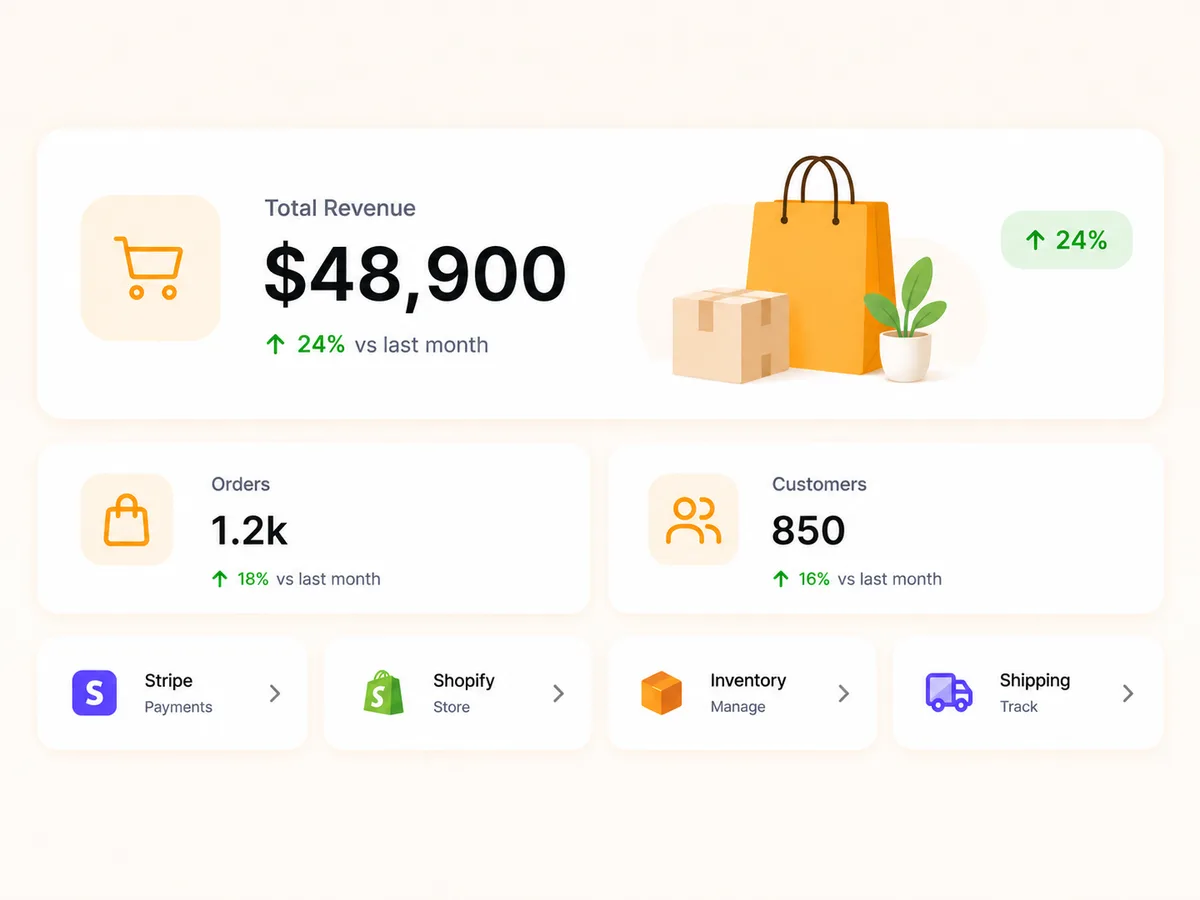
Why it matters
Why B2B marketplaces are a different product
Wholesale trading is not a B2C cart with a company name. Built well, it becomes the channel. Built like retail, every order still closes on a call.
Wholesale is not retail
B2B buyers expect account pricing, purchase orders, and credit — not a guest cart. A retail theme creates workarounds that sales then has to explain on every call.
Both sides have to win
Liquidity is an operations problem: onboarding, search, trust, and payouts. The product has to serve buyers and sellers without turning your team into the middleware.
Price is negotiated
Volume breaks, private catalogs, and quote-to-order are the product. If pricing lives in a spreadsheet, the storefront is only a brochure.
Procurement is the buyer
Punchout, approvals, and invoice matching decide whether enterprise buyers can use you at all. The marketplace has to fit how they already purchase.
Why Zupitrix
Why Zupitrix as your B2B marketplace partner
We are not a theme shop that skins Magento and leaves. We work as a technical partner — catalog model first, then storefront, then the integrations that make orders real.
In-house team, not freelancers
Catalog, pricing, payments, and ERP stay with one delivery team — so vendor portals and buyer checkout do not drift into two different products.
Commerce plus product thinking
We model buyer, seller, and ops roles first, then pick Magento, headless, or custom. The stack follows the trading process, not the other way around.
Transparent partnership
Regular demos, a visible backlog, and working RFQ or catalog slices — not a big-bang reveal after six months of silent development.
Measurable marketplace results
Work is scoped around time-to-quote, catalog coverage, seller activation, and order accuracy — not a pile of pages that look like a store.
Phased, live launches
Start with one catalog and a buyer portal, then add vendors, RFQ, and punchout. You trade on a real platform instead of waiting for every feature.
What we deliver
Our B2B marketplace services
Buyer experience, seller tools, pricing, payments, and ERP under one team — so you are not coordinating a storefront vendor and an integration vendor.
Buyer portals & punchout
Account-aware catalogs, reorder, approvals, and cXML/OCI punchout so procurement teams can buy without leaving their own system.
Seller onboarding & vendor tools
KYC-ready onboarding, listing workflows, stock updates, and commission dashboards so vendors can operate without a ticket to your ops team.
RFQ, quotes & contract pricing
Request-for-quote, attachments, price books, and volume breaks that convert to a PO — with the buyer’s contract price, not a public list.
Multi-vendor catalog & search
Shared or partitioned catalogs, facets, and search that stay fast as SKUs and sellers grow — including PIM-fed product data.
Payments, credit & net terms
Cards, invoices, credit limits, and escrow or split payouts for multi-vendor orders — matched to how your industry actually settles.
ERP, inventory & order orchestration
Sync catalog, stock, orders, and invoices with SAP, Oracle, or custom ERPs so the marketplace is a channel, not a second set of books.
Custom builds
Custom marketplace software for complex trading
Off-the-shelf commerce works until price books, vendor rules, or procurement workflows do not fit. That is when a custom layer — or a full platform — pays for itself.
Wholesale & distributor platforms
Private catalogs, territory rules, and dealer logins for brands that sell through a network rather than a single storefront.
Industry vertical marketplaces
Parts, industrial supply, medical, or agricultural trading where specs, compliance docs, and RFQs matter more than pretty product cards.
Private trading networks
Invitation-only marketplaces for a buying group or supplier base — with membership, NDA, and visibility rules built in.
Approval & spend workflows
Multi-step purchase approval, budget caps, and audit trails so finance can trust orders that originate online.
Cross-border commerce
Multi-currency, tax, landed cost, and regional catalogs when buyers and sellers do not share a country or Incoterms.
Not every wholesale site needs a multi-vendor marketplace. A single-brand dealer portal is often better as Magento or Shopify Plus with price books. We will tell you when that is the case, rather than overselling a network you do not need.
Build a custom marketplaceOne team
Buyer and seller experience in one team
When storefront and vendor tools are designed apart, listings never match search and checkout. Our designers work with engineers from day one so every role — buyer, seller, admin — is usable, feasible, and tied to the same catalog.
- Two products, one platform. Buyer and seller experiences are designed together so listing quality, search, and checkout actually meet.
- Pricing is a first-class UI. Contract price, MOQ, and quote status are visible — not hidden in a PDF the sales team emails later.
- Ops can run the marketplace. Admins get tools for disputes, commissions, and catalog QA instead of waiting on engineering for every vendor issue.
- Feasible from the first wireframe. Punchout, ERP fields, and role permissions are in the design, so mockups do not collapse in development.
Selected work
Two-sided products we have shipped
Live Zupitrix platforms — matching, catalogs, and paid sessions — where both sides of the network had to work or the product failed.

Two-sided marketplace · Web
AI Learning Platform
Students find tutors, book live sessions, and pay on a schedule — matching, catalog, and transactions on Next.js, Python, and AWS.

Expert marketplace · Mobile + web
My Guru App
Experts and learners book paid 1-on-1 sessions and live events — a marketplace with identity, scheduling, and payouts.

Product catalog · Web + mobile
Bud Proof AI
A customer-facing catalog and analysis product with React, Python, and PostgreSQL — structured SKUs, not a brochure site.
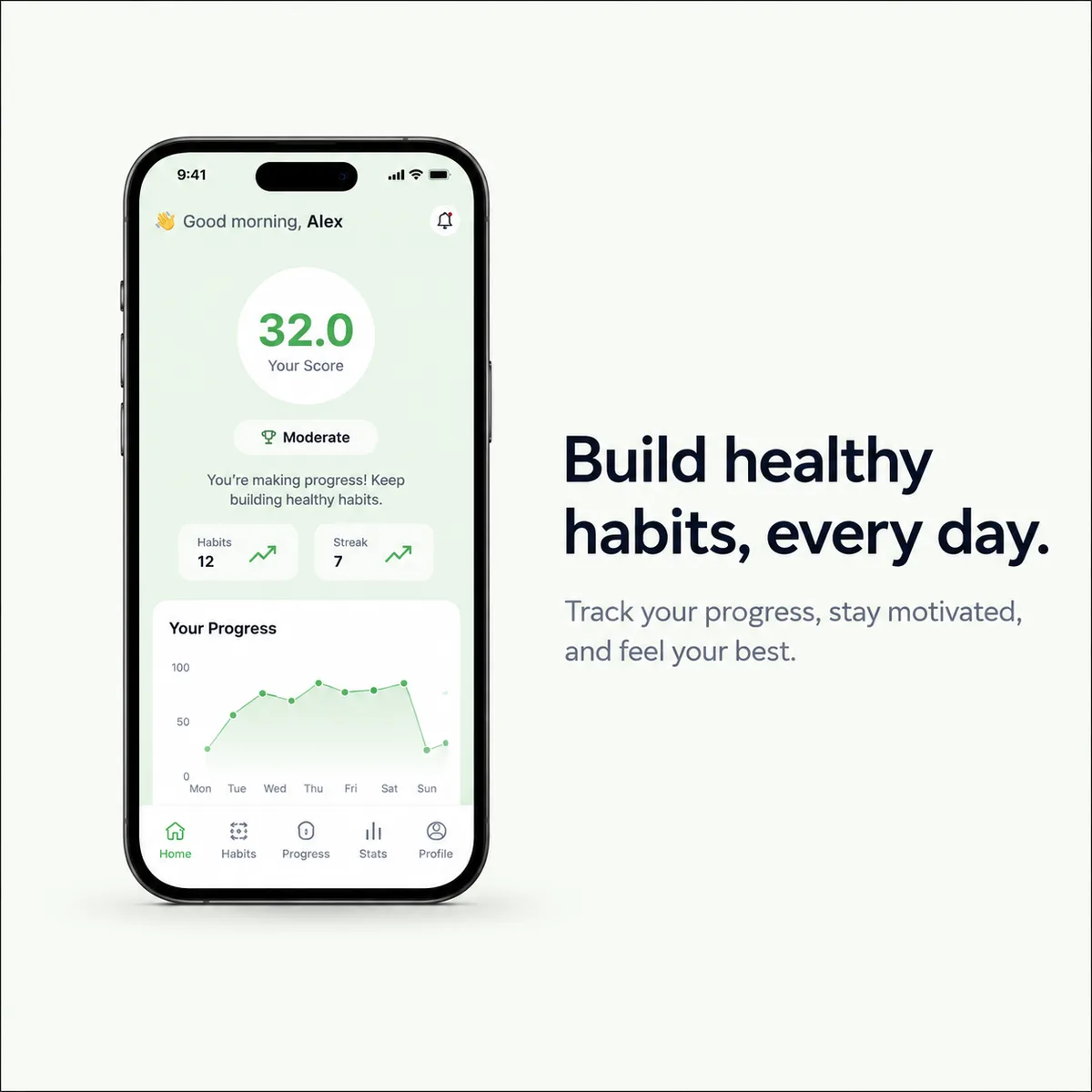
Membership platform · Web client
Habilife
Accounts, community, and ongoing engagement on a shared backend — the same patterns we use for buyer and seller portals.
Business impact
Marketplace projects built for real trading
We approach every B2B platform as a sales and operations investment, scoped around orders — not a list of storefront templates.
Built to trade
We target quote cycle time, catalog coverage, and order accuracy — so the marketplace is a sales channel, not a side website.
Trusted partnership
We challenge a retail-theme shortcut when your process is wholesale, and we say when Magento or Shopify Plus is enough.
Ready for the next vendor
Architecture assumes more sellers, more SKUs, and another ERP field — not a rebuild the month after the first successful quarter.
Technology
Commerce engines, payments, and integrations we use
Magento, Shopify, headless Next.js, Stripe, and ERP connectors — chosen for the trading process, not because they are newest.
Technologies we use: Next.js, React, TypeScript, Vue.js, HTML, CSS, JavaScript, GraphQL, Magento, Shopify, WooCommerce, BigCommerce, Stripe, Node.js, NestJS, Python, Stripe, Razorpay, PayPal, Salesforce, Oracle, HubSpot, SAP, GraphQL, AWS, Google Cloud, Azure, Docker, PostgreSQL, Redis, Elasticsearch, MongoDB.
Next.js
React
TypeScript
Vue.js
HTML
- CSS
JavaScript
GraphQL
How we work
Our B2B marketplace process
Delivery is structured around catalog, pricing, and integrations. Each stage has a clear output so a broken price rule surfaces before launch.
Trading process
We map how quotes, POs, and vendor onboarding actually happen today — including who approves spend and which system owns stock.
Catalog & pricing model
SKUs, variants, customer price books, and seller partitions are designed before UI. Search and checkout inherit that model.
Platform choice
Magento, Shopify Plus, headless, or custom — chosen for punchout, multi-vendor, and ERP fit, not because a theme looks finished.
Design both sides
Buyer portal, seller tools, and admin are designed as one product so listings, RFQs, and payouts do not fight each other.
Build, integrate, test
Sprints ship catalog slices, quote flows, and ERP sync with demos. We test roles, pricing rules, and order round-trips — not only pages.
Launch & seller success
Go-live includes vendor onboarding, ops runbooks, and monitoring. Support covers catalog QA, payouts, and the next marketplace feature.
What you get
Marketplace software built around trading outcomes
The point of a B2B marketplace is what it does for sales and operations. Our work is built to:
Shorten the quote cycle
Move RFQs out of email so buyers get a price, and sellers respond, inside a measured SLA.
Let vendors operate themselves
Onboarding, listings, and stock updates stop being tickets. Your team governs the network instead of typing it.
Show the contract price
Every logged-in buyer sees their book, MOQ, and terms — which is what makes wholesale checkout actually convert.
Keep ERP as the source of truth
Orders and inventory stay aligned with finance. The marketplace is a channel, not a shadow ledger.
Grow sellers without a rebuild
Architecture assumes more vendors, regions, and catalogs so a good quarter is not the reason the platform breaks.
Keep exploring
Related services
A marketplace sits inside a wider product practice. Use these links to move between related work without losing context.
FAQ
Frequently asked questions
Straight answers on RFQs, Magento versus custom, ERP, timelines, and what you own at the end of an engagement.
Ready to turn wholesale demand into a live marketplace?
Whether you need a dealer portal, a multi-vendor network, or a rebuild of a stalled Magento stack, we will help you prioritize the right investment instead of copying a B2C store.
Contact Us
Get In Touch
Let's build something amazing together. Contact us to discuss your project and see how we can help bring your vision to life.
New project inquiry
Start project.
We'd love to help.
Fill in the form and we'll respond within one business day — personally, not with a template.